
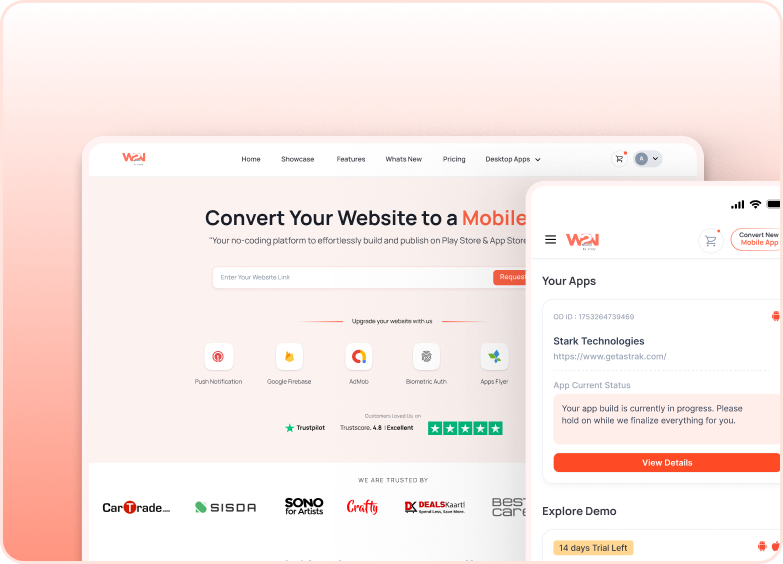


Benefits of Mobile App for Your Shopify Business

Published on:
23 October, 2024
By Webtonative
Author
In 2026, most e-commerce industries are growing through the mobile-first approach. This is because over 80% traffic comes from mobile users, making it an essential way for businesses to offer a seamless mobile experience. Having just a Shopify website won’t help until you create a Shopify mobile app, boosting sales, user retention, and overall revenue.
Moreover, a mobile app provides fast loading speed, a personalized experience, and the ability to work offline, which a website cannot match. In this blog, you will learn the benefits of a mobile app for your Shopify business and how you can take it to the next level.
Top Benefits of Shopify Mobile App
1. Enhanced User Experience
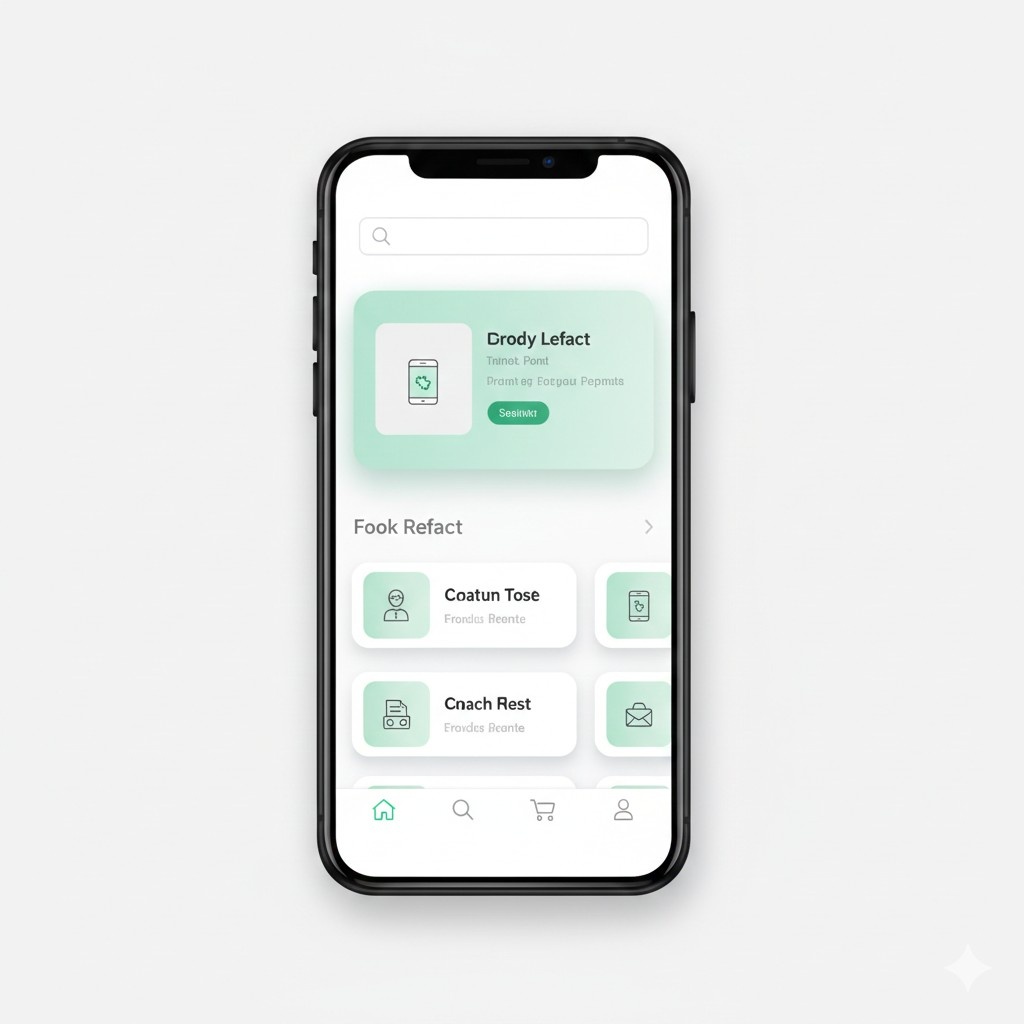
Mobile apps give a faster, smoother, and more personalized experience than any website. Based on the research, 53% of users abandon a website that takes more than 3 seconds to load. Studies showed that a native app loads within 2 seconds, which keeps the users engaged. They also allow users access to core features offline and unique recommendations based on user behavior. This thing makes the overall shopping experience easier and more satisfying. In addition, a well-designed Shopify mobile app increases average session duration by 30%, making users more engaged than mobile websites.
2. Better Customer Retention
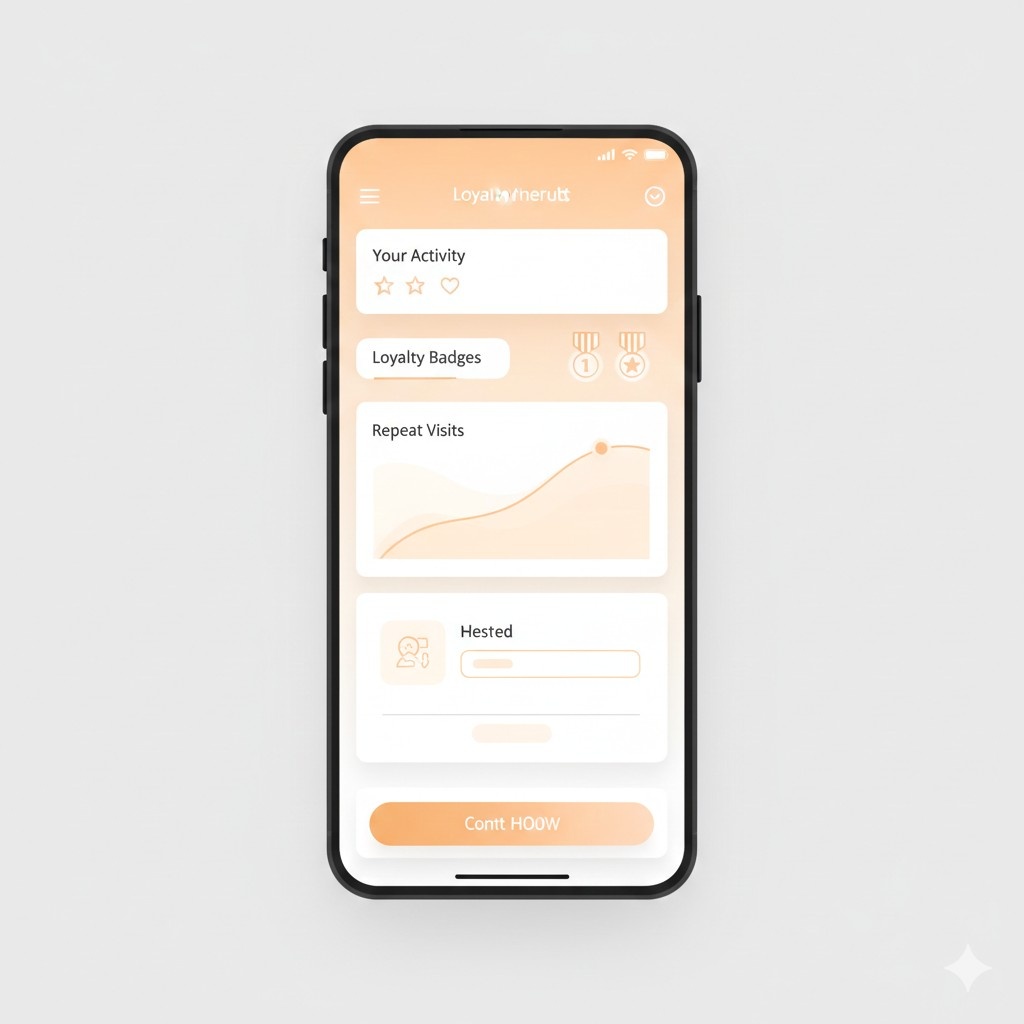
Having a direct presence on the user’s device enables brand consistency and top-of-mind. Most of the repeat visits come from features, like push notifications, loyalty programs, personalized offers, and more. This way, you also get to know user behavior, purchase history, and preferences, which help you to deliver highly relevant, tailored content. It is one of the main reasons why mobile apps often experience a 30-60% increasement in user retention.
3. Easy and Secure Payment Options
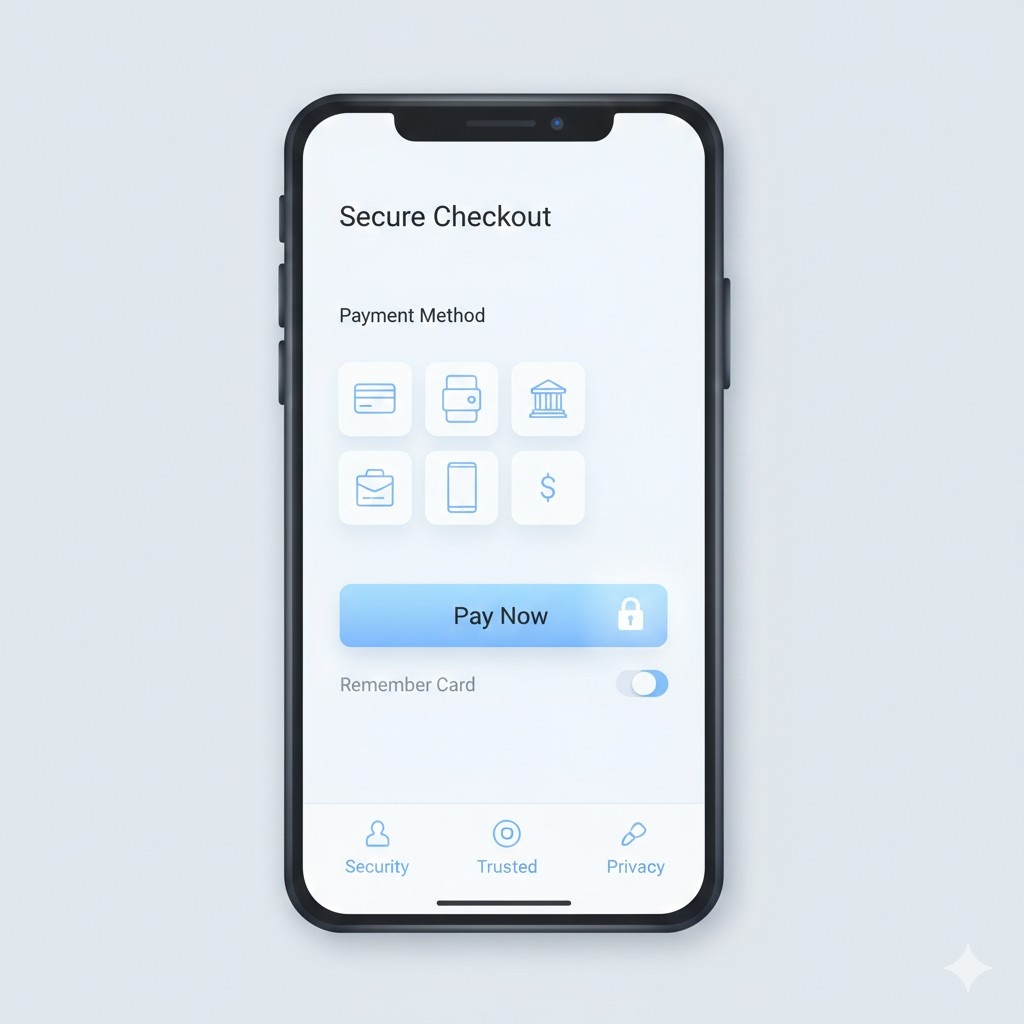
Mobile apps simplify the checkout process by integrating payment options, such as Apple Pay, Google Pay, PayPal, credit/debit cards, and so on. When you give multiple payment options, it reduces friction and builds trust. As an outcome, it helps users to complete purchases quickly. Shopify apps with streamlined payment options lead to enhanced conversion rates.
4. High Conversion Rate
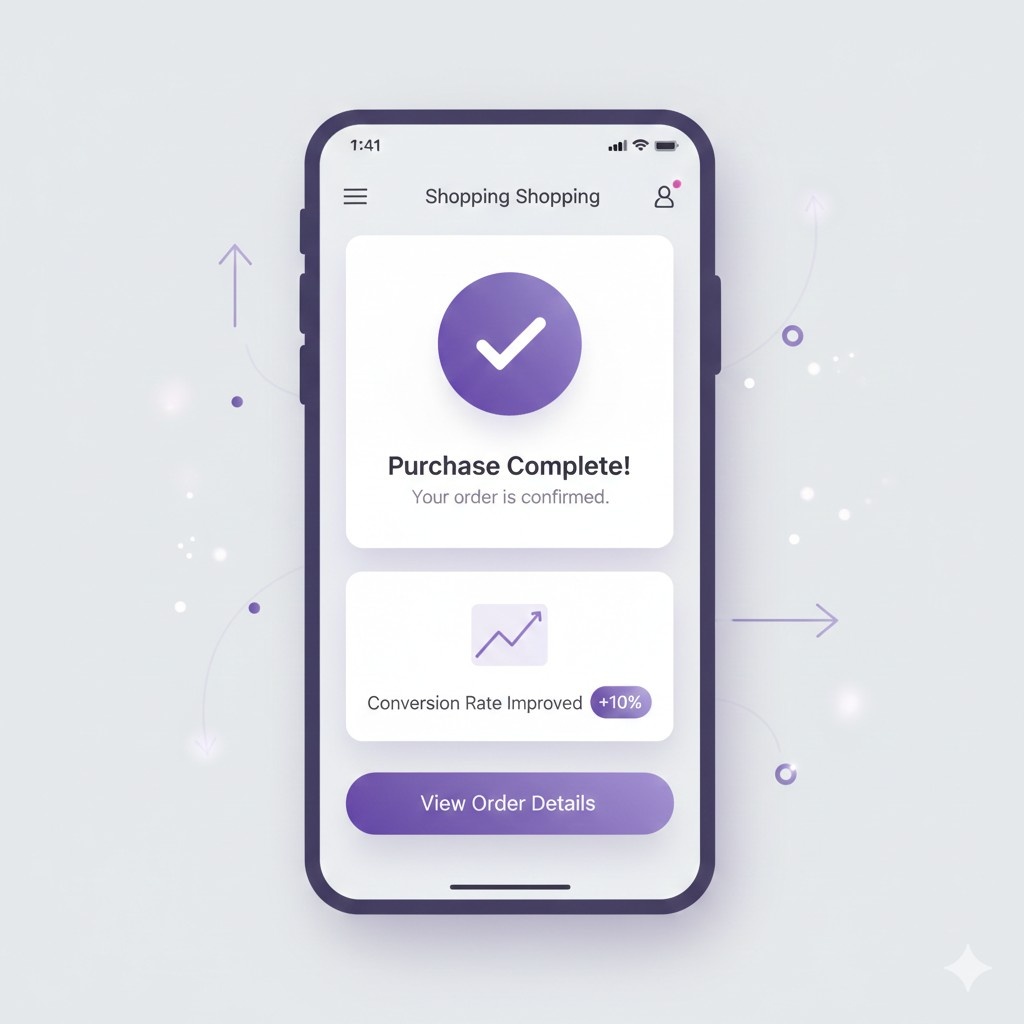
Shopify mobile apps significantly boost your conversion rates through personalized recommendations, fast performance, and push notifications. According to recent mobile commerce revenue stats, businesses with well-designed mobile apps get higher conversion and engagement rates.
5. Cross-Platform Compatibility
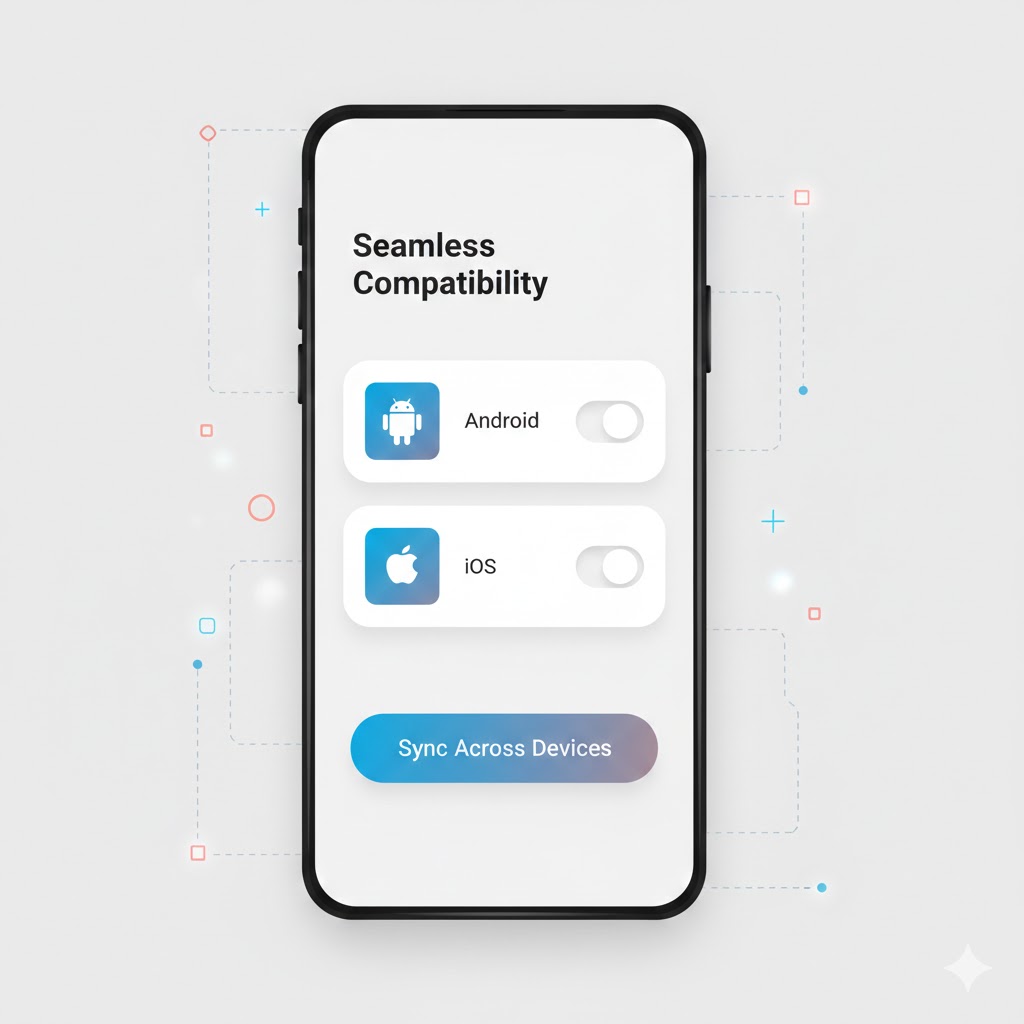
If you have a cross-platform Shopify mobile app, it gives you a smooth experience on both Android and iOS devices. This also saves your time and resources by excluding separate costs for each platform. Additionally, building cross-platform apps not only maintains a consistent design but also functionality and performance for all users.
6. Effective Marketing Opportunities
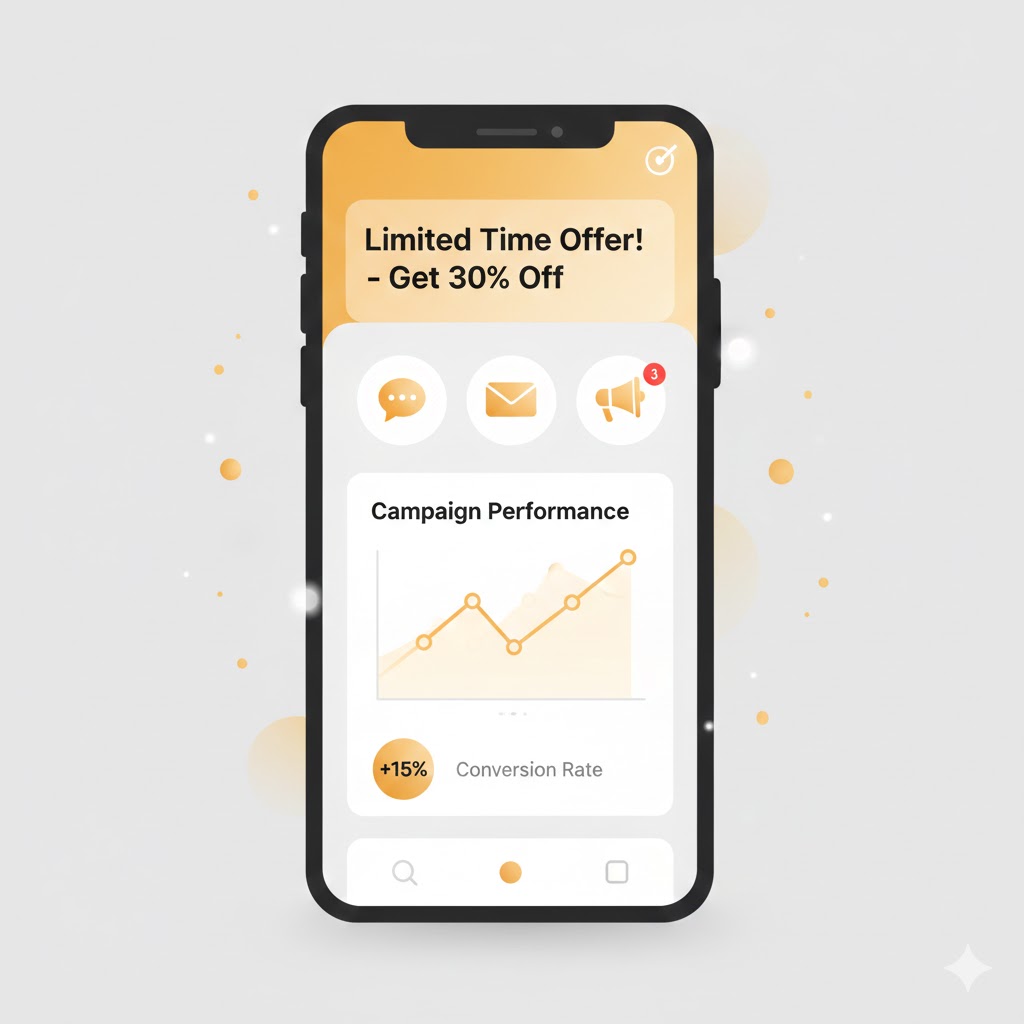
Mobile apps offer direct communication with users through features such as in-app messages, push notifications, personalized campaigns, etc. By categorizing your customers based on where they are, what they like, and what they do, you can send more relevant messages and provide better engagement. Analytics help businesses track user behavior to improve strategies for better outcomes.
7. Build a Strong Brand Loyalty
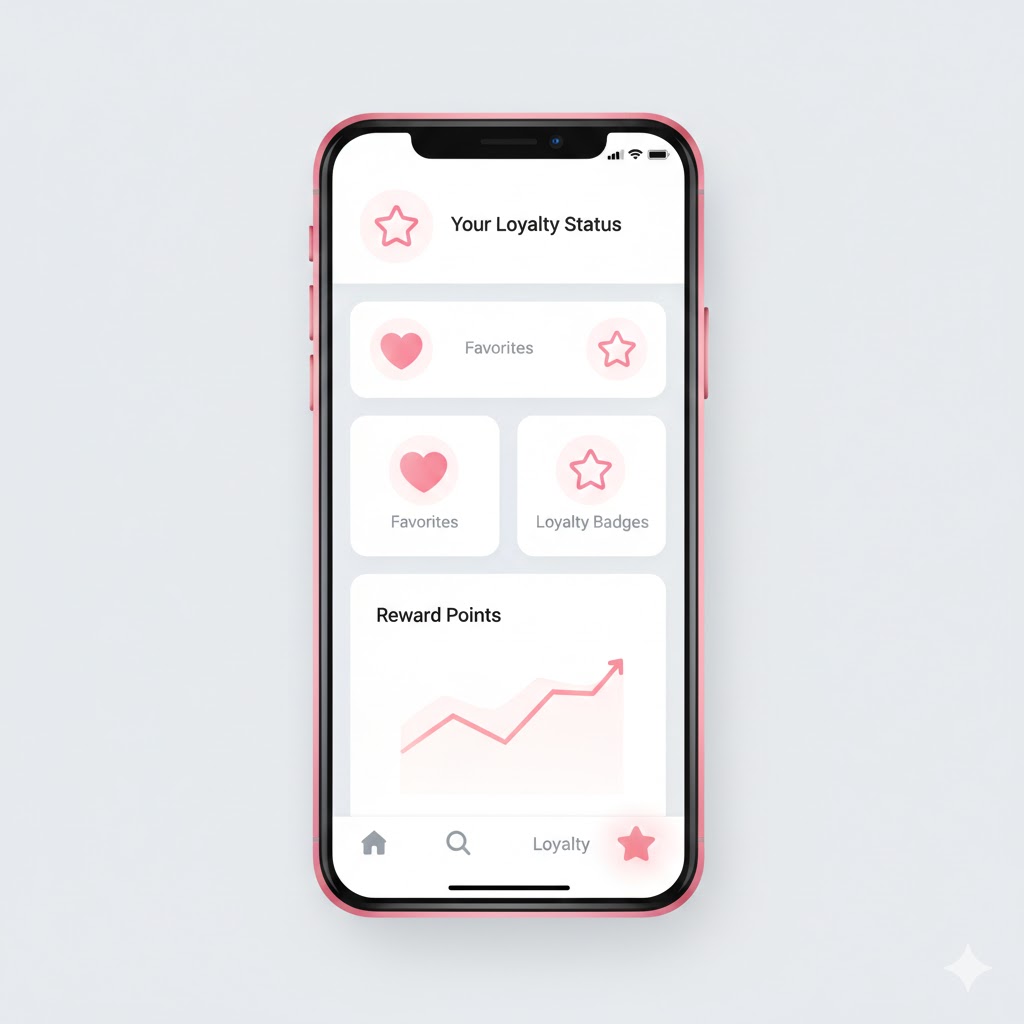
A mobile app turns your shopping behavior into a personal experience. With smooth navigation, loyalty programs, and personalized offers, keep the user engaged and keep coming back. Timely notifications and easy-to-use features turn even occasional shoppers into loyal customers, helping businesses grow while building long-term connections.
Why Shopify Store Needs Mobile App
Consumers often require a seamless mobile shopping experience. Businesses without mobile apps usually struggle with low customer retention, slow loading, and more abandoned shopping carts. Giving a mobile version of your Shopify business exclusively meets modern customer needs, drives more sales, and stands out from the competition.
FAQs
Q. Do Shopify mobile apps improve SEO?
Yes, Shopify mobile apps improve SEO by keeping users for a longer period, encouraging repeat visits, and increasing session times, giving quality to search engines.
Q. Are mobile apps actually better than responsive websites?
While responsive websites work on mobile devices, native apps provide offline access, quick loading times, and a customer-focused experience.
Q. How expensive is it to build a Shopify mobile app?
The overall cost depends on the feature and complexity. Using a no-code tool like WebToNative reduces development time and budget significantly as it converts your existing website into a Shopify app.
Q. Does a Shopify app support payment gateway integration?
Absolutely, most Shopify apps support a variety of payment methods, including PayPal, Google Pay, Apple Pay, etc.
Q. How does a mobile app help in increasing sales for Shopify stores?
Absolutely, brands with a mobile presence often see high conversion rates that are two to three times higher than website-only stores.
Conclusion
If you run a Shopify website, having a mobile app is not just an app; it is a basic requirement of every e-commerce business. People love shopping online, as they spend most of their time on their phones. With an app, things load faster, shopping feels personal, and customers can even browse offline. Payments are secure, and you can send updates or special offers to keep them coming back. And honestly, making an app is not that difficult; there are tools now that let you do it without coding, such as WebToNative, and it works on both Android and iPhone. Additionally, it is worth setting up so that your Shopify store feels easy and convenient for your customers.
Similar Blogs